At the beginning of the year you may have seen my blog series on the tech trends; at the beginning of each year what I like to do is research and evaluate what I think will trend in the world of technology in the coming year technology, not only in the world of consumers, but in the promotional world also. After completing my research, I then combine my findings with the knowledge and judgement from the viewpoint of a self-proclaimed ‘techie’ (aka myself), and then from this derives my top 5 trends. Now we have reached August, with over half the year over, we can revisit just how influential those technology trends have been so far…
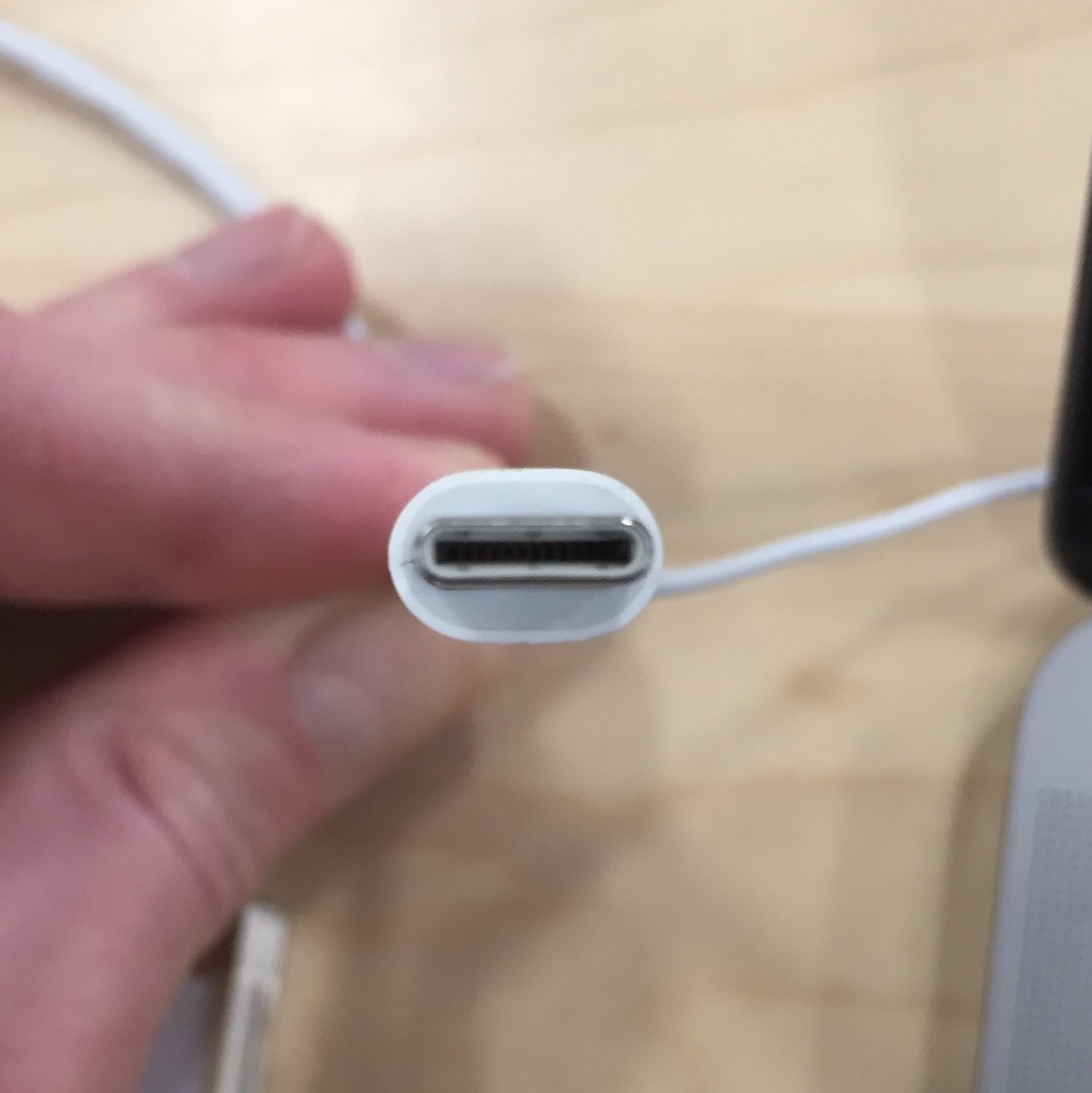
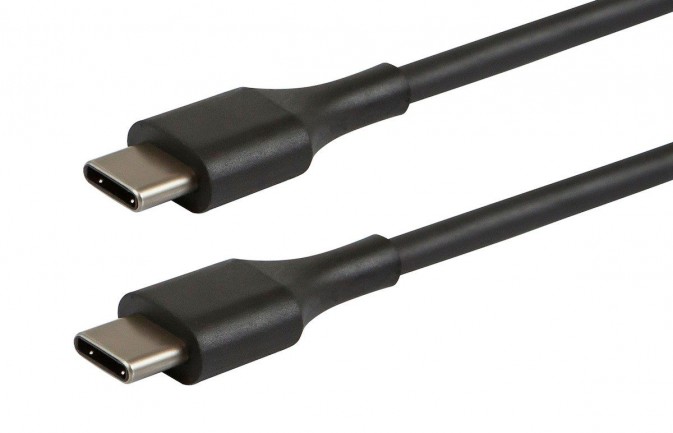
 With one of the biggest smartphone companies releasing their flagship device with USB Type C charger in April, it is safe to say USB Type C is definitely here to stay. Other large smartphone manufacturers have either already made the transition or will make the transition with their next release. More and more people are learning about USB Type C and its benefits and could easily reach mainstream adoption by the end of the year. We are also seeing an influx of USB Type C products in the promotional merchandise industry too, from multi charging cables that include USB Type C, to Type C only flash drives and Powerbanks.
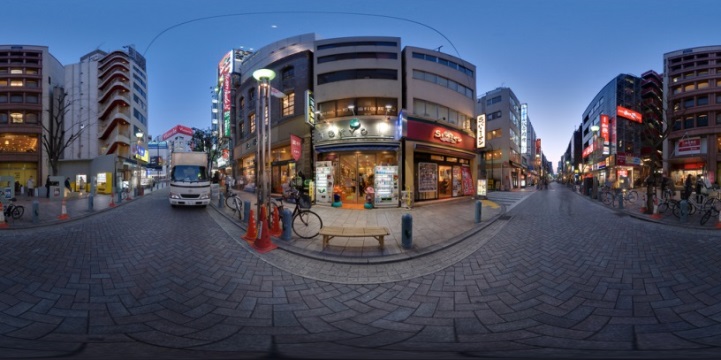
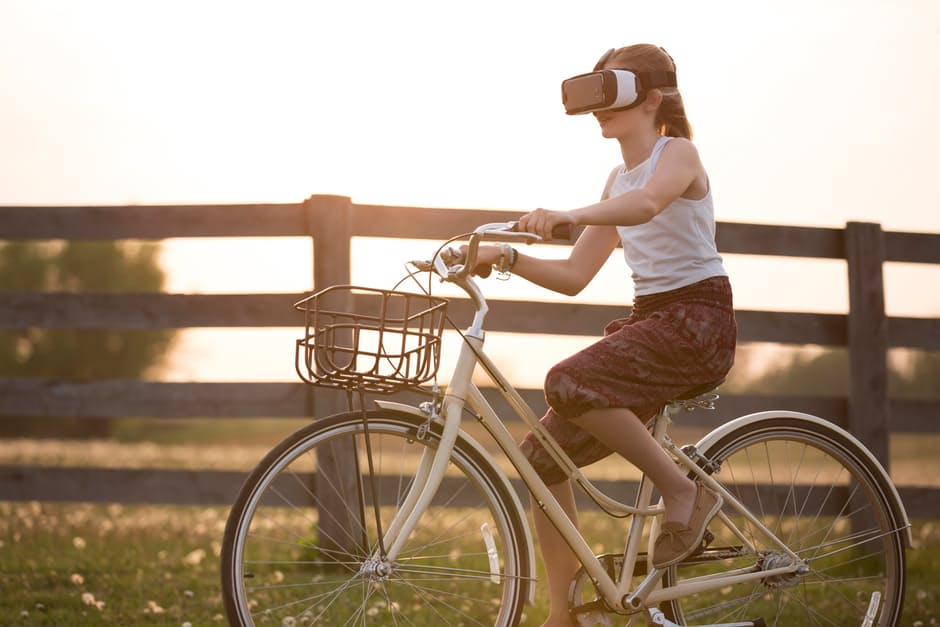
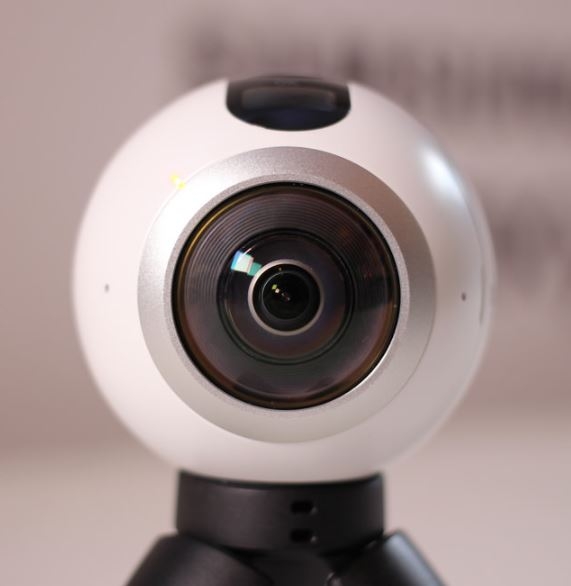 It was interesting to see after the excitement of VR goggles and 360 video from the early adopters, how popular it may have become. The buzz around virtual reality, although not as prominent, still exists, I would say, although it hasn’t quite reached main stream adoption, it is slowly but surely on the right track. In the same manner as marketing, the important element is content… when it comes to 360 video, this is not a fast process, like all great things, it will take time. One element that has sped up this process is the fact that many large technology companies, famed for their smartphones are also creating and selling 360 degree cameras. Whether they are bought stand alone, or as an accessory with new phones, these 360 cameras are providing people with the technology to speedily create the said content we mentioned earlier. A great example of this gaining traction is the fact that you can now upload and view 360 video on the biggest social network in the world. We have also seen 360 video used in experiential marketing for movies, with one of our staff given, a promotional viewer in association with a new movie release. It is this area of 360 video where the promotional product industry will definitely benefit, VR viewers are not only popular on the promotional market, but they are also becoming more and more affordable.
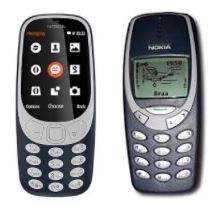
 Earlier this week across the UK the retro styled Nokia 3310 went on sale in mobile phone shops across the country with demand for the device being called astonishing. The original 3310 was released 17 years ago, selling over 100 million devices becoming a cult classic for the ages. The biggest gripe with smartphones today is battery life, something that the 3310 had no issues with previously holding up to two weeks battery life, this is something that has been reintroduced into the new style 3310 which gives you 22 hours of talk time. The new phone isn’t for everyone, and is lacking many smartphone functionalities, but for those only after a phone to make calls and send text messages, this would be the phone for you.
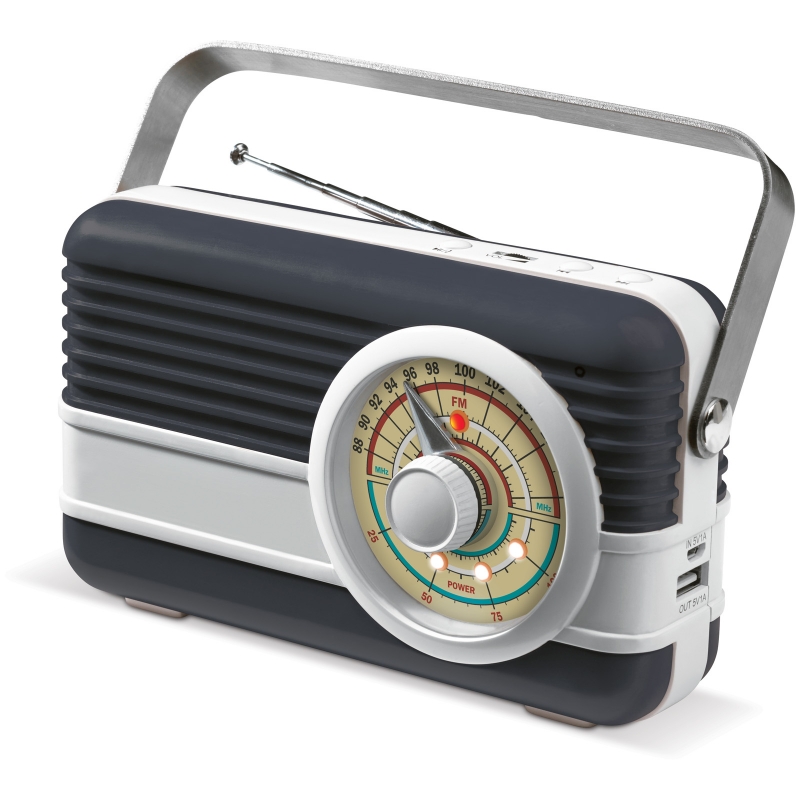 The world has changed a lot in the last 17 years, and with it so have mobile devices, so what is with the new influx of interest in retro gadgets, why the sudden affinity for nostalgic products? To put it simply retro is cool again, anything 70s, 80s, and 90s is making its resurgence, you only have to look at the cinema industry to see that old popular household names are making a comeback. This nostalgic comeback isn’t a simple coincidence, it is the product of clever decisive marketing, companies know that people whose childhood were in the 70’s 80’s and 90’s are likely to now be employed with some being in top paying jobs. These companies appeal to their demographic through nostalgia from their childhood, as a strategy to sell them their product, with this people possibly being in high paid jobs, they are able to charge slightly more, and still make healthy sales.
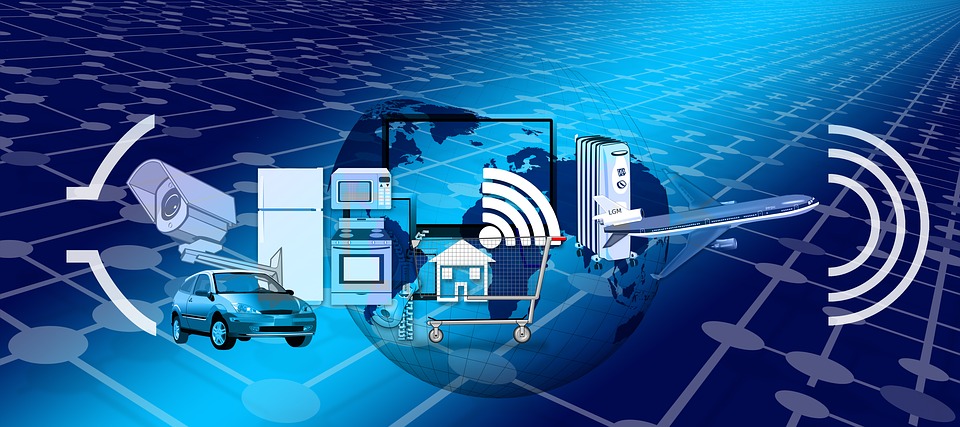
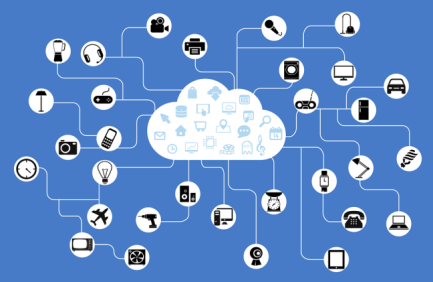
 If you haven’t heard about the internet of things, it simply is a new age network being created, not between people, but between objects, how they output and share information to devices, and even to the larger World Wide Web. Smarter technology is definitely a concept that is more understandable after an example as the possibilities of future applications are pretty much endless. The example I will be giving is that from the point of view of an attendee, experiencing smarter technology being integrated into attended conference.
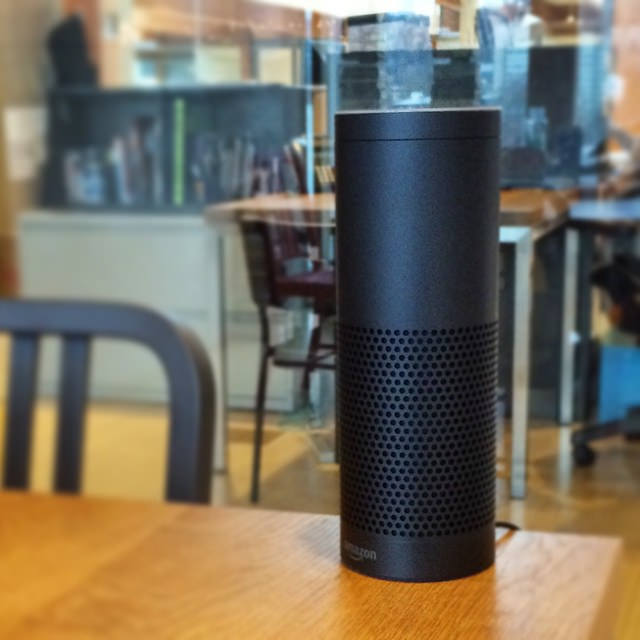
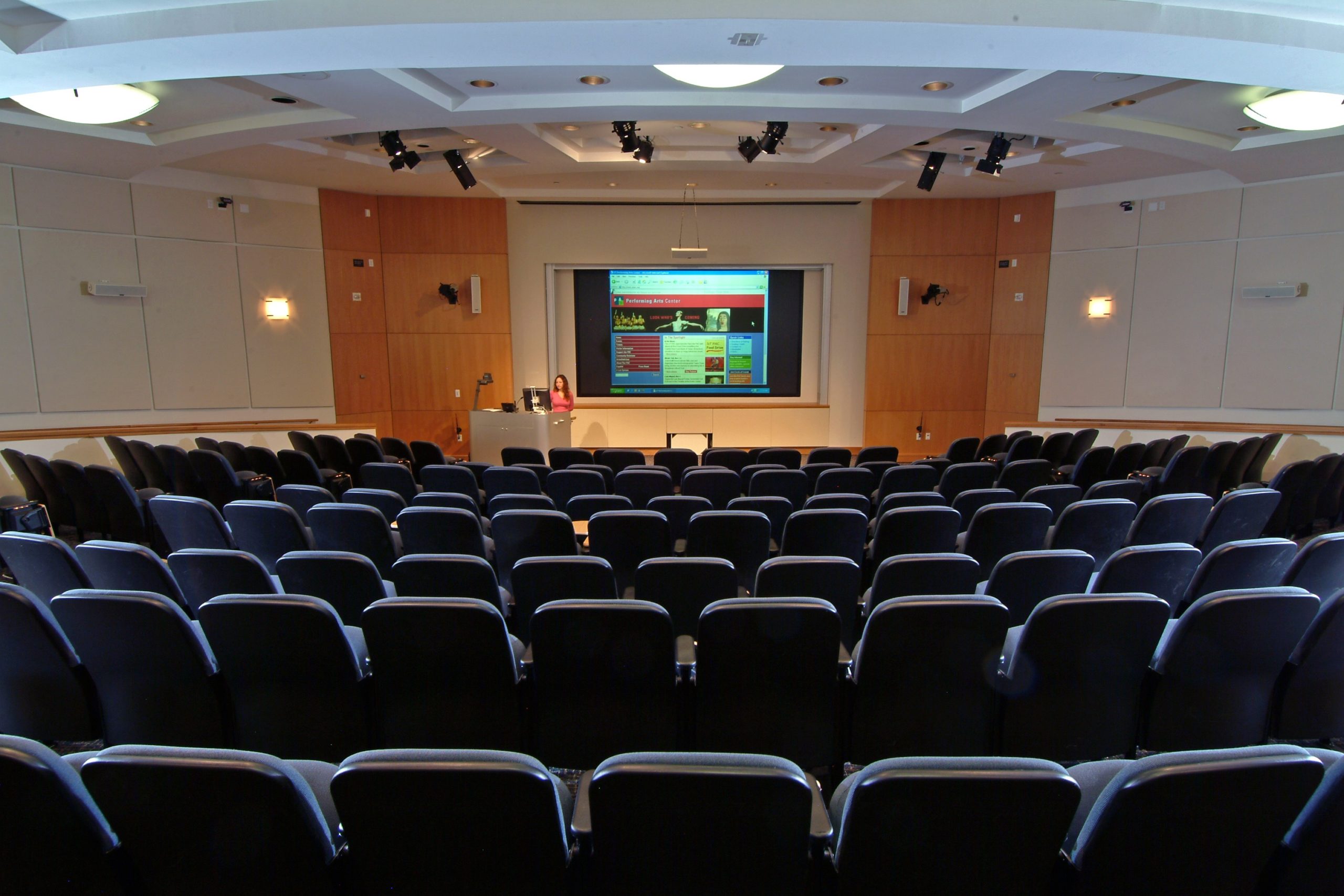 The time for the conference has begun and automatically the lighting in the conference room dims and the AV system is ready for the first speaker. During the conference a person asks a question requiring a specific numerical answer, for example “what percentage of smart phone sales were android OS last year” rather than the speaker finding the details, the conference rooms auto assistant has already found the answer and delivers this through text to speech software.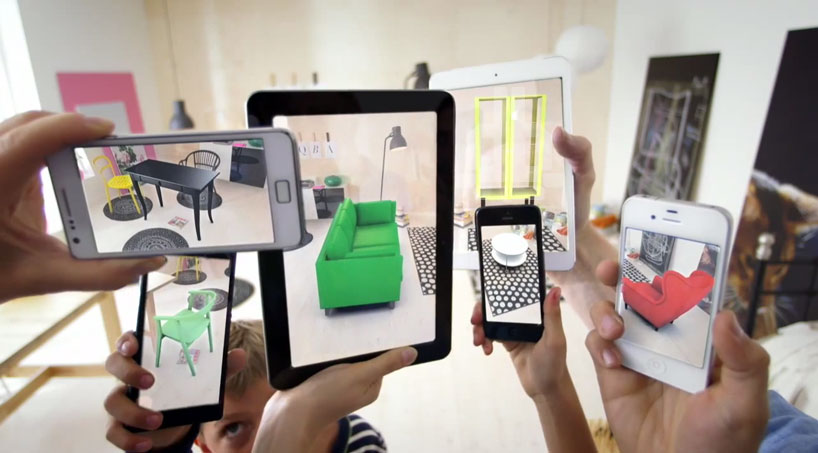
 Back in 1994 an artist called Julie Martin conceptualised and brought to stage the world’s first augmented reality dance production called “dancing in cyberspace.” During the production the dancers would dance and interact with full life sized virtual objects. From the viewers perspective the dancers were fully immersed in the virtual environment, creating a full augmented experience.
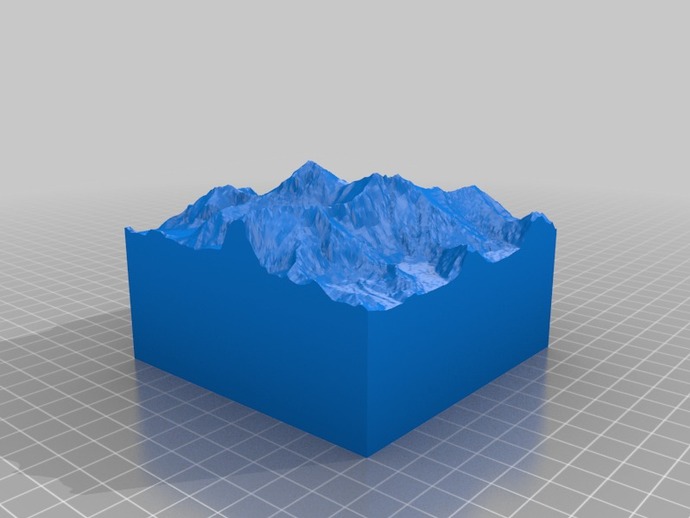 can also compare the size of Everest with other real world examples, which just wouldn’t be possible to imagine without visual representation. Now this is all great in theory, but what about execution? Remember those VR headsets we distributed in the 360 video topic? These can double up as augmented reality headsets as long as the VR viewer has a camera panel, (which most do!)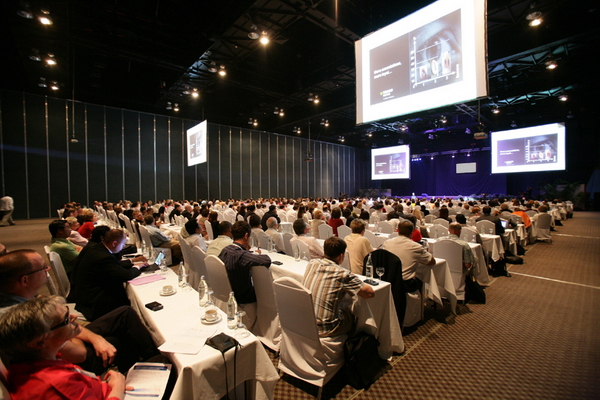
 The conference and meeting partition of the events sector is worth a whopping 19.9 billion pounds in the UK alone, with conferences and meetings being held constantly up and down the country. One of the bonuses of having a company in and around London is that London is the number one city for in terms of meetings and events activity in Europe, the Middle East and Africa (EMEA). The average conference in the UK has 258 delegates, now again this would be great if everyone had companies in and around London, with London being the hub, but chances are there will be companies wanting to send delegates from all over the country, and EMEA, depending on the conference. The problem is some companies especially SME’s may not have the resources to send staff to a conference, regardless of how much they would benefit from attending.
 360 Video does not simply have to be a communication tool; it can also be used in the same way videos are used, as support material for presentations. Many conference speakers like to include a life experience anecdote in their seminars, whether it’s scaling Everest or exploring the Serengeti, just for a moment imagine how good it would be to experience those moments with the speaker, if everyone in the room was given a VR viewer, the could first person see the experience of being in the Serengeti or Everest, just without all the negatives of being really cold and the 38.5 mile dangerous trek to base camp. When it comes to giving promotional items at conferences, conference folders are generally top of the list, they are useful and relevant to the event, but that’s not stopping you from adding VR Viewers. As a matter of fact in our range we have a VR viewer with all over print (fantastic for branding) that is flat packed perfect to fit in a conference folder!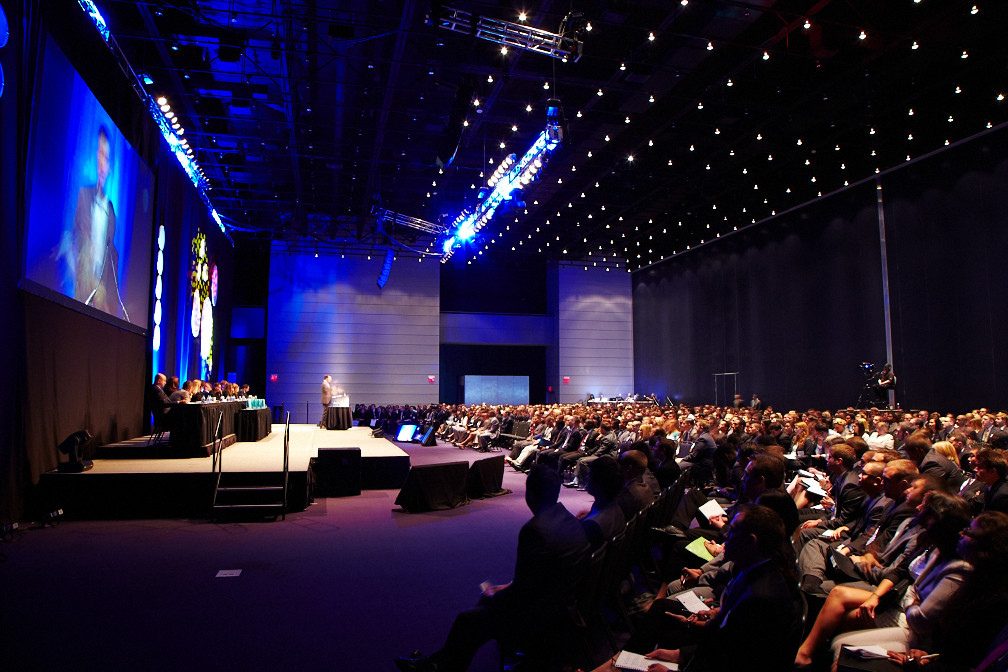


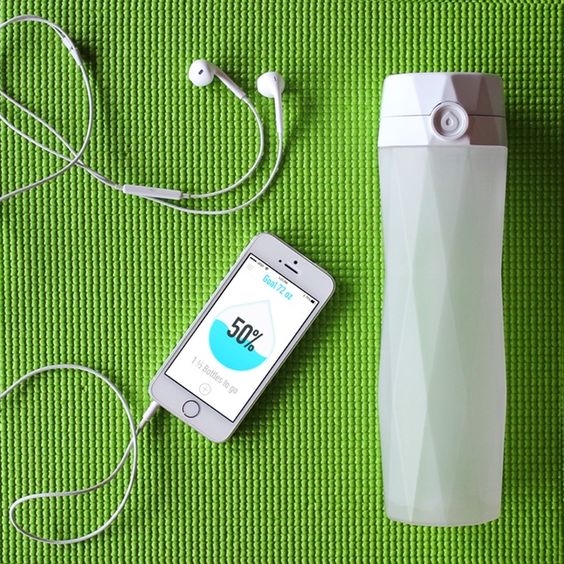 So how is smarter technology going to make its way across into promotional products? There is already a small range of wearable technology in the promotional market, showing signs already of smarter technology making its way across. Activity wristbands connect to your phone feeding it up-to date data of steps taken and calories burnt, now app dependant this will go through processing and calculate how many calories you now need to reach your optimum weight. Another health and lifestyle related item I have seen on the promotional market, actually works perfectly as a promotional gift, is a water bottle that measure how much liquid you are drinking throughout the day, and encourages you to drink more. Now by combining this with your smart connected wearable device, telling you how many calories you’re burning, along with a smart connected weighing scale you can see the conversation these ‘Internet of Things’ can be having to improve your daily health.


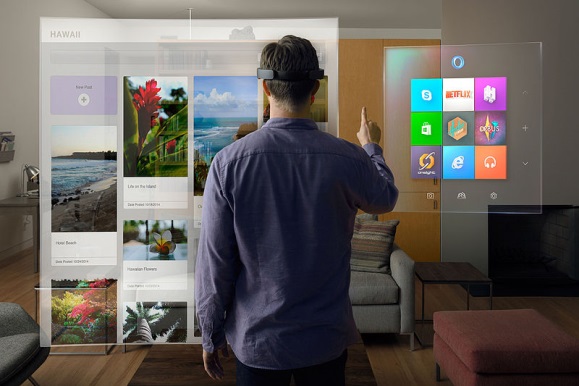 So what kind of things can AR help with in the future? One humungous area AR can be beneficial is when buying product, over 180 billion pounds was spent online last year in the UK alone, many of these people not knowing what the clothing product would look like on, or what the kitchen table would look like in their house, pretty much all of this is done using guesswork. This is wear AR comes in through a device like the Microsoft HoloLens users will be able to see what the dress looks like when they are wearing it, or how a table looks in the room you want to put it and, you can also manipulate and rotate virtually without breaking a sweat!