Technological Trends to Look Out for in 2017 Episode 4: Wireless Headphones

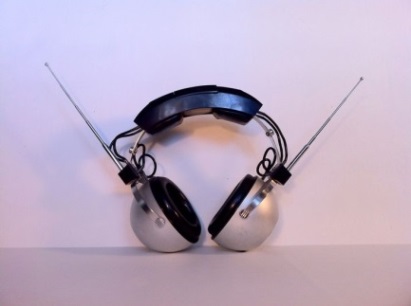
Wireless audio is another technology that isn’t exactly new; in fact I remember when I had my first pair of wireless headphones in the early 1990’s, they were this colossal pair of over the head headphones, that seriously looked like something from a 1980’s science fiction movie. They had big antennas sticking out of each earpiece wirelessly transmitting to a receiver dock which was plugged into the auxiliary port of my hi-fi/television dependant on which device I wanted to listen to. It seemed revolutionary at the time but the sound quality wasn’t great, the range and interference were even worse and don’t get me started on the battery life!
So what is with the resurgence of wireless headphones now? Although I don’t think you can call it the full definitive factor, but Apple’s notion to do away with the 3.5mm jack definitely put some weight behind the need for wireless audio this year. With rumours that other popular smartphone brands will also be ditching the 3.5mm jack, this only adds more fuel to the wireless fire. The reasoning behind the event many people on social media called #jackgate is that the analogue port just took up too much space with it being such old technology; it was time to fill that area with new technology.
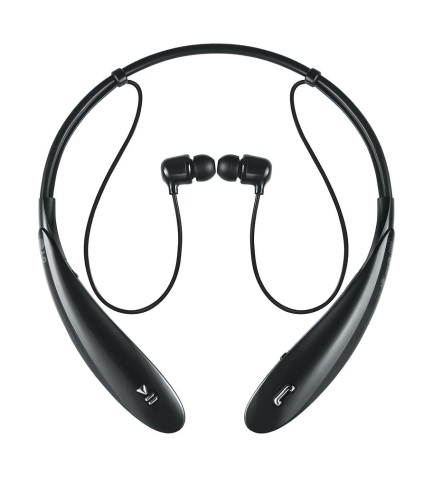
Whilst talking rumours of other smartphone brands, it is also rumoured that this year we will see the arrival of smartphones with Bluetooth 5. Bluetooth 5 is a dramatic improvement on current Bluetooth technology; it promises 4 times the range current Bluetooth has and doubles the speed all without increasing power consumption. This would work perfectly in conjunction with the resurgence of Bluetooth headphones; the gripe many users have currently is losing range and the sound cutting out, with this area strengthened and quadrupled in range, means no more sound drop outs due to the device being too far from the headphones.
The current headphone market is pretty extensive, there is a great range with several different price points and many different styles, including a limited range of wireless headsets. In my personal opinion I think suppliers this year will reduce their focus on wired earphones and start limiting these ranges, whilst placing more emphasis in taking the wired headphone styles and incorporating Bluetooth into them. One thing I am excited to see this year is if anyone goes down the same root as apple has and creates minimalistic Bluetooth earphones, that have a dedicated charging box, the reason being is I believe the charging box provides another great opportunity for the product to be further branded!

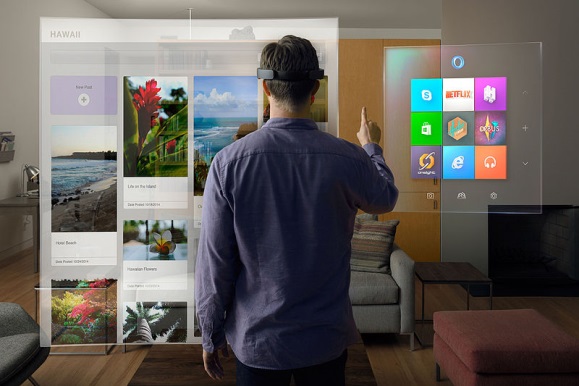 So what kind of things can AR help with in the future? One humungous area AR can be beneficial is when buying product, over 180 billion pounds was spent online last year in the UK alone, many of these people not knowing what the clothing product would look like on, or what the kitchen table would look like in their house, pretty much all of this is done using guesswork. This is wear AR comes in through a device like the Microsoft HoloLens users will be able to see what the dress looks like when they are wearing it, or how a table looks in the room you want to put it and, you can also manipulate and rotate virtually without breaking a sweat!


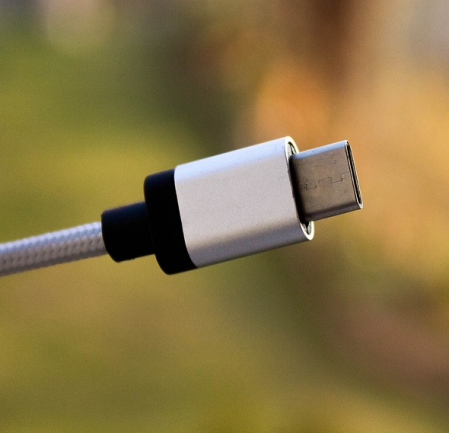 1) USB Type C
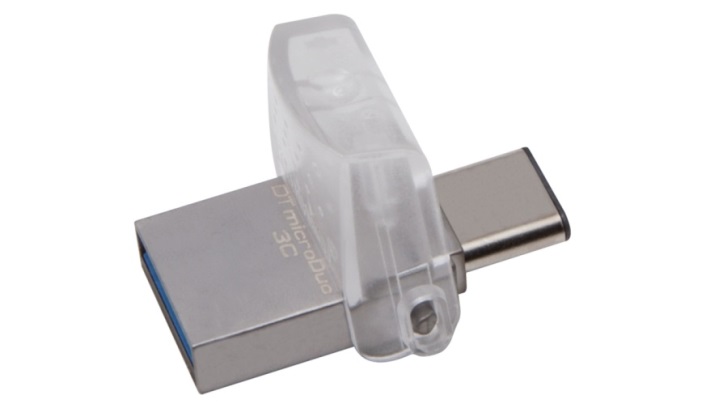 USB chargers can currently only handle 5 volts at 2 amps (generally) whereas to fully power a computer, the source would need to output at least 20 volts at 5 amps.. Coupled with USB 3.1 and type C connectors the power is now scalable up to 100 watts, providing enough power to charge computers, laptops, tablets, phones, cameras, home robots, spaceships ok maybe not a whole spaceship…. Possibly just the LED lighting… Although I joke about spaceships this integration process is not a distant future, flagship mobile devices have already started incorporating USB Type C ports and reaping the benefits of superfast data transfers and charging. Although USB type C and USB 3.1 are different things, you will generally see them combined to create this USB connected powerhouse, which will make smart devices smarter and your personal and portable computers more portable.
 Before we enter the exciting world of drone use for commercial or leisure, it is very important to know and understand the safety and legal matters surrounding remotely piloted aircraft systems.


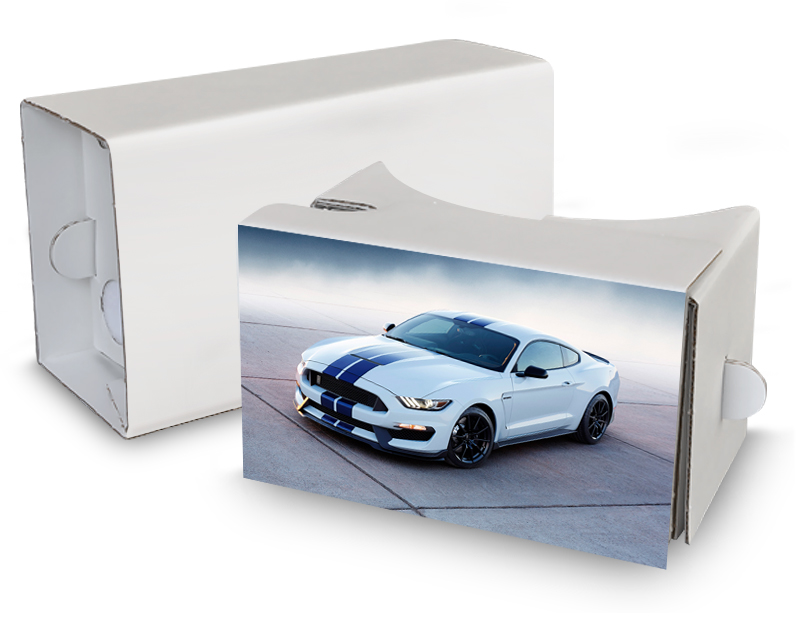
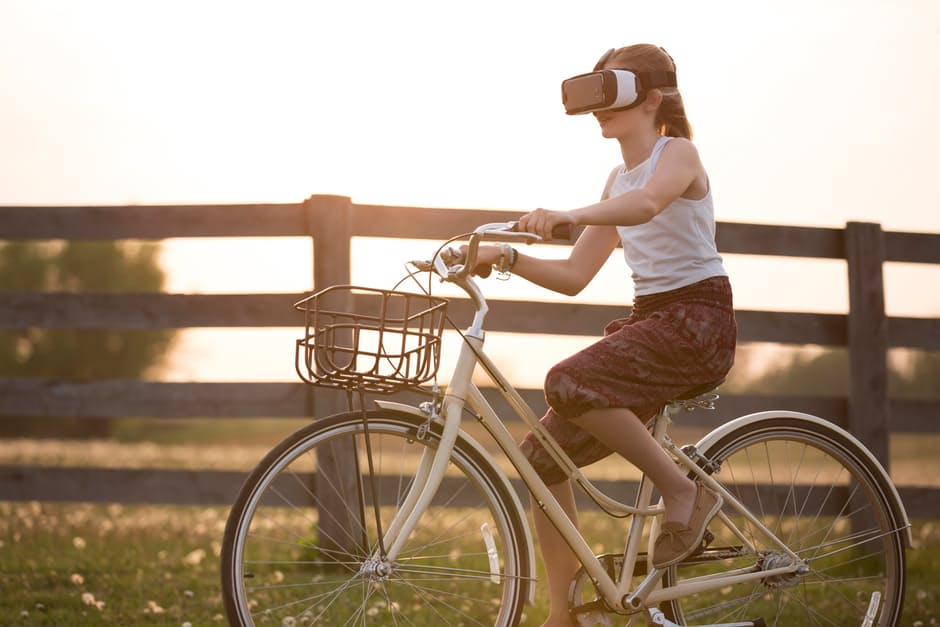
 But what use can these products have promotionally? The question has already been answered by several large companies that are already using Google Cardboard like products in several different ways. Last month on our website I posted a blog detailing what I thought would be the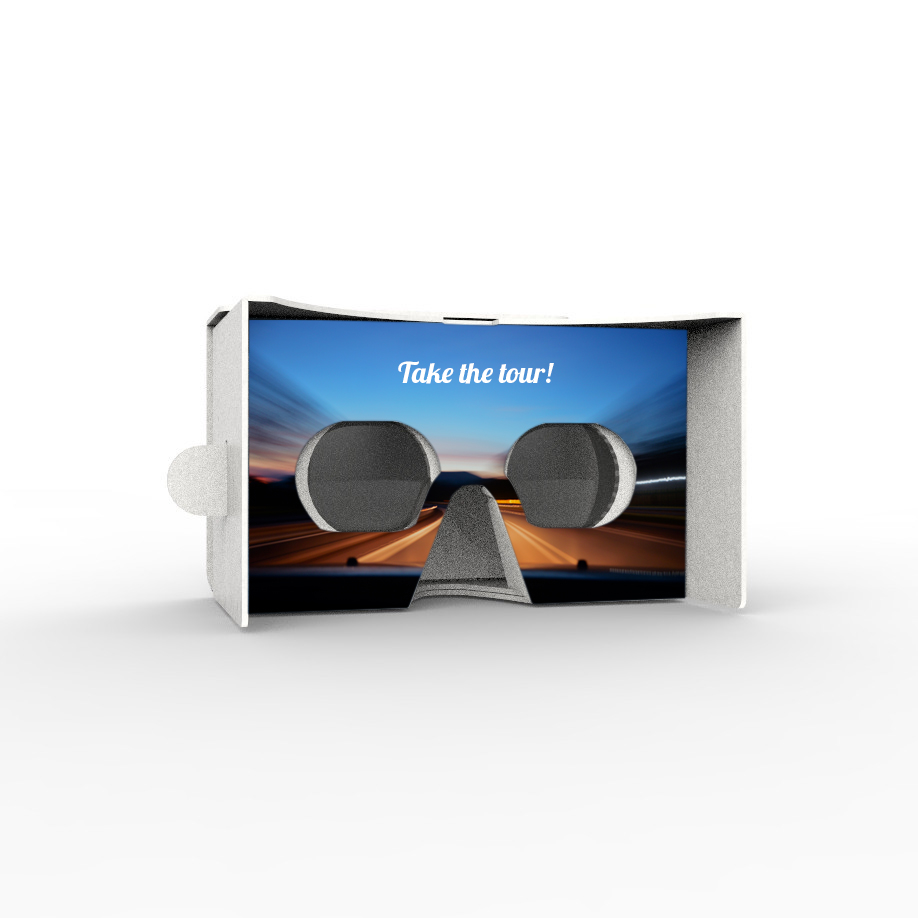
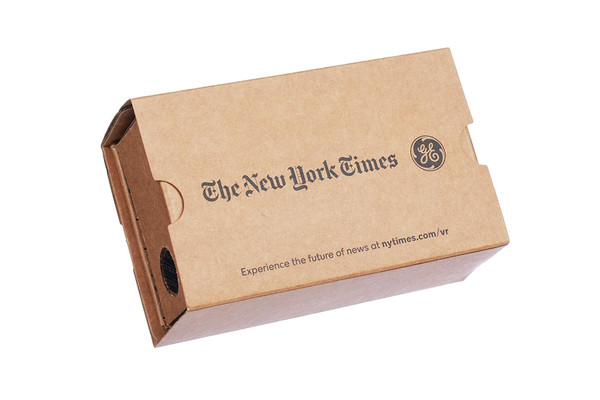 As I mentioned before large companies have already started using these products promotionally in their own unique ways, a very current fantastic example is the New York Times, whose campaign created a milestone in VR history. Early last November

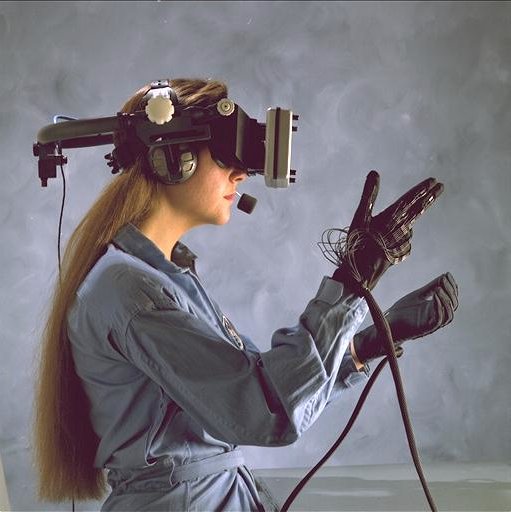 The word haptic derives from the Greek word “haptikos” which translates to pertaining to the sense of touch. From a programming point of view touch is more than likely the most difficult to recreate in a virtual world, visual and audio are definitely less problematic to recreate hence the technological advancements in those areas. That’s not to say they haven’t tried, the research that has gone into tactile feedback technology is extremely vast, and we are finally reaching the point where we’re finally in touching distance (no pun intended.) Saying all this haptic technology isn’t actually a new concept, we have been using it in gaming and mobile devices for a while now, every time your phone vibrates or games controller rumbles we are receiving tactile feedback through haptic technology. To give you a glimpse into what the future holds for haptic technology we have to go back to 2009 where researchers from the
 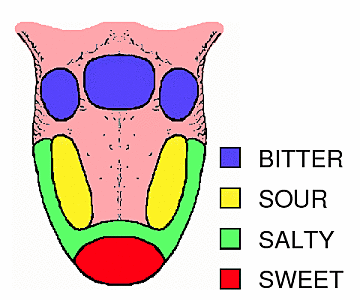 It’s not just touch that is being researched; companies are also exploring the possibilities of taste and smell in virtual reality. In 2013 new scientist published an article describing how a team from the

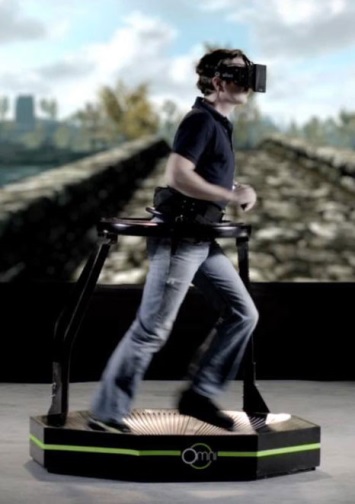 The Oxford Dictionary describes virtual reality as:
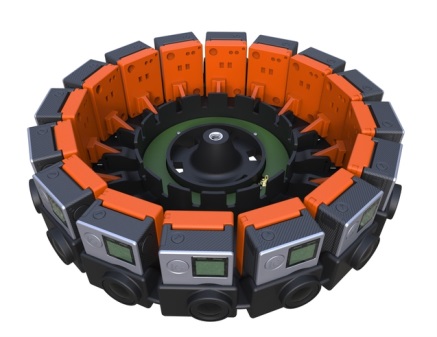 – The first type is simulation of real environments this can either be interactive, a real world environment that you can navigate around, used generally use for building and outdoor tours or training activities. Alternatively there are 360 degree videos, using a special set up which is generally a 360 degree video rig, as shown in the picture, people can film blogs, events or pretty much anything with their 360 video rig, capturing every angle whilst recording. With advancements in technology tech companies are now producing 360 degree cameras, which can perform the same 360 degree capturing from a single device.
 – The second type is simulation through 3d computer rendering in this instance everything you see around you is computer generated, working in the same way as a first person video game would work. This style of virtual reality has been around for a while, and the technology to recreate such first person views has been around even longer, programmers would just have to adjust the viewing to left and right eye outputs, thus creating a user immersed computer environment.

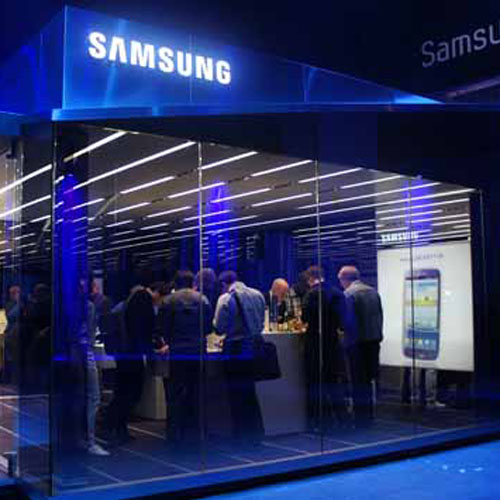 Experiential marketing is a type of promotion that is aimed to directly engage with the consumer, a strategy that invites the user to interact with the brand first hand, rather than passively receive their marketing messages. Now when I say Experiential Promo in this sense, I don’t mean that promotional merchandise could singlehandedly replace this type of marketing, what I mean is, there is definitely room to increase the usage of promotional merchandise during the use of experiential marketing. Now, this isn’t exactly a new concept, a great example of this previously in action was during the 2012 London Olympics. Throughout the summer of 2012
 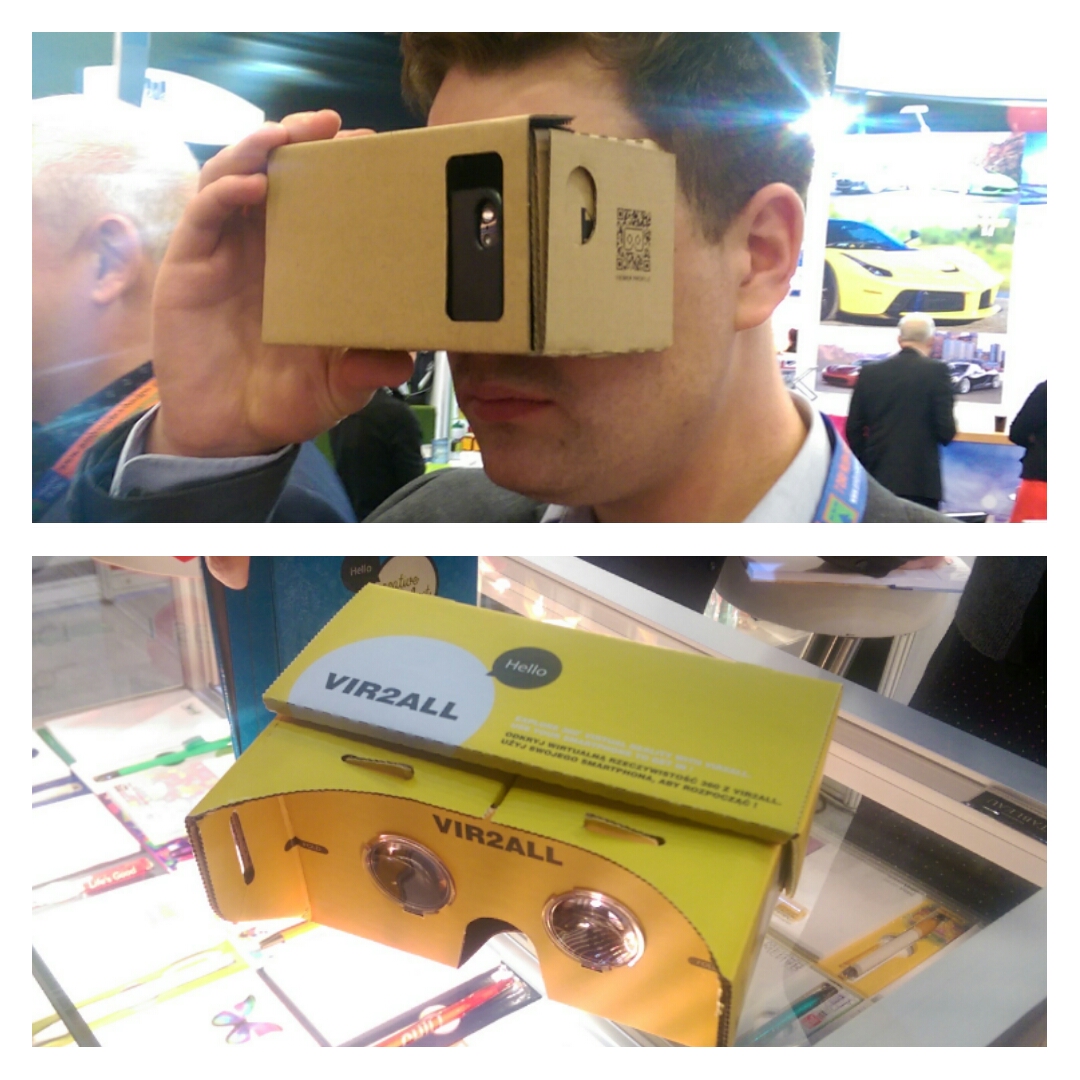 When I first started writing this blog, this was originally going to be a part of the experiential promo section, but after getting the feedback of how popular this concept was at recent promotional trade shows, I thought it deserved it’s very own dedicated shout-out on just how popular it will be this year. The reason I was going to put it in the previous section was it is a great concept to use this specific type of promotional product if a company was to create a brand experience around a virtual reality campaign. We have seen great examples of promotional products being used alongside virtual reality in recent years with the use of apps like